Last updated on April 14th, 2025 at 11:03 am
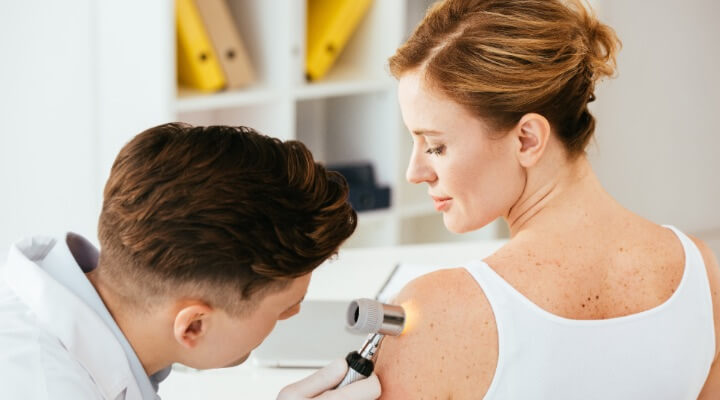
Skin cancer is one of the most common types of cancer, and regular visits to a Dermatologist Hoffman Estates can significantly reduce the risk of developing this potentially deadly condition. With the increasing rates of skin cancer, it’s vital to understand why frequent dermatologist visits are crucial for early detection, prevention, and overall skin health. With specialized tools like dermoscopes, dermatologist in Malaysia can examine your skin layers in detail and identify changes in moles or spots before they become more serious.
Early Detection Saves Lives
Early detection is one of the most important reasons to see a dermatologist regularly. Skin cancer can often be invisible or develop slowly over time. While some skin cancers are visible, others may go unnoticed without professional attention. Dermatologists are trained to identify abnormal moles or lesions that might appear harmless but could be early signs of skin cancer. With specialized tools like dermoscopes, dermatologists can examine your skin layers in detail and identify changes in moles or spots before they become more serious.
If an abnormality is found, a dermatologist can perform a biopsy to determine if it is cancerous. Early detection of skin cancer, especially melanoma, can significantly increase the chances of successful treatment and survival.
Identifying Precancerous Conditions
Dermatologists don’t just look for cancer; they also monitor the skin for precancerous conditions that could develop into skin cancer. For example, actinic keratosis (AK) is a common condition caused by sun damage that may appear as rough, scaly patches on the skin. Though not yet cancer, AK can turn into squamous cell carcinoma if left untreated. Regular dermatological check-ups ensure these early warning signs are spotted and treated before they become more dangerous.
Personalized Skin Health Monitoring
Everyone’s skin is unique, and understanding what’s normal for your skin can help with early detection of abnormal changes. Dermatologists offer personalized skin care monitoring, ensuring that individuals with a history of skin conditions or family members with skin cancer receive special attention. Through tools like high-definition photography, dermatologists can track any changes in moles, spots, or lesions, noting variations in color, shape, or size.
Skin Cancer Prevention and Education
Prevention is just as important as detection when it comes to skin cancer. Dermatologists provide advice on how to protect the skin from harmful UV rays that contribute to the development of skin cancer. Educating patients about the importance of daily sunscreen use, avoiding sun exposure during peak hours, wearing protective clothing, and seeking shade are key strategies dermatologists recommend.
Additionally, dermatologists can provide personalized advice on managing sunburns, minimizing tanning, and avoiding tanning beds — all of which can help prevent skin cancer. Routine visits also give dermatologists the opportunity to address lifestyle factors that could contribute to skin damage, such as smoking, which can worsen the effects of sun exposure.
Treatment for Suspicious Moles and Lesions
If a dermatologist detects suspicious lesions or moles, they may recommend a biopsy to determine whether they are benign or cancerous. Early-stage skin cancer can often be treated with simple procedures like excision or cryotherapy (freezing off abnormal cells), both of which are minimally invasive. However, if skin cancer has advanced, more aggressive treatments like radiation therapy or chemotherapy may be needed.
Through regular skin checks, dermatologists can catch skin cancer in its earliest stages, when treatment is most effective. For individuals diagnosed with skin cancer, early intervention ensures that the cancer doesn’t spread or become more complicated to treat.
Repairing and Preventing Sun Damage
Sun damage is a primary factor in premature aging and the development of skin cancer. Dermatologists are experts in assessing sun damage and offering treatments to repair the skin. Conditions such as sun spots, wrinkles, and uneven skin texture can all be addressed through treatments like chemical peels, laser therapy, and topical treatments.
Skin Cancer Survivors and Recurrence Prevention
If you’ve had skin cancer in the past, regular dermatology visits are crucial to monitor for recurrence. Skin cancer survivors are at a higher risk of developing new skin cancers, so frequent check-ups are vital to detect any new abnormal growths. Dermatologists play a critical role in guiding patients on monitoring their skin at home and ensuring that their risk factors are managed.
Conclusion
Regular visits to a Dermatologist, at Hoffman Estates are essential for preventing skin cancer and maintaining optimal skin health. Early detection, personalized care, and proactive education are the cornerstones of skin cancer prevention. By catching skin cancer in its early stages, dermatologists can provide treatments that significantly reduce the risks of complications.
For those with higher skin cancer risks, regular check-ups are even more crucial. Whether they identify precancerous conditions, treat suspicious moles, or offer sun protection advice, dermatologists play an integral role in safeguarding skin from the harmful effects of the sun and preventing skin cancer.