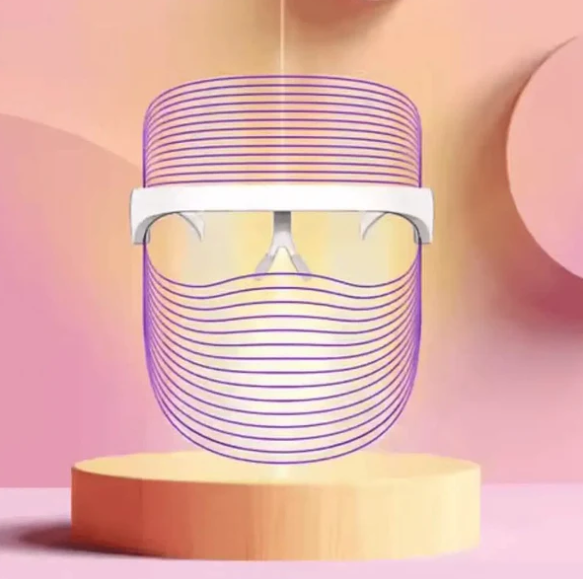
Skincare technology has evolved rapidly, bringing advanced treatments that were once exclusive to professional clinics right into the comfort of our homes. One of the most popular innovations today is the LED face mask, valued for its non-invasive approach to improving skin health. By using targeted light therapy, these masks address a variety of skin concerns, making it easier and more convenient to maintain a radiant complexion.
For those looking to explore these devices, the led face mask uk offers a reliable and effective option suitable for home use.In this guide, we will explore what LED face masks are, how they work, the benefits they offer, and essential safety considerations. Whether you are a skincare enthusiast or just starting with light therapy, understanding the science behind LED masks will help you make informed choices for healthier, glowing skin.
What is an LED Face Mask?
An LED face mask is a skincare device that emits specific wavelengths of light to target skin cells. Unlike UV light, which can damage the skin, LED light operates at safe, visible wavelengths. These masks often consist of multiple LED bulbs embedded in a flexible or rigid mask, designed to fit comfortably over the face.
How It Works
LED masks function through a process called photobiomodulation. The light penetrates the skin layers and interacts with cells to stimulate biological processes. Depending on the color and wavelength, different skin concerns can be addressed:
- Red Light (620–750 nm): Stimulates collagen production, improves skin elasticity, and reduces fine lines.
- Blue Light (405–420 nm): Targets acne-causing bacteria, helping to prevent and reduce breakouts.
- Green Light (520–530 nm): Helps with pigmentation issues and evens out skin tone.
- Yellow Light (590–600 nm): Reduces redness and inflammation, promoting a calming effect.
The consistent use of LED masks can enhance overall skin texture, tone, and vitality, making them an attractive addition to a skincare regimen.
Benefits of Using an LED Face Mask
LED face masks offer a wide range of benefits for different skin types and concerns. Some of the key advantages include:
- Non-Invasive Treatment: LED therapy does not require needles, chemicals, or surgery, making it safe for regular use.
- Improved Skin Texture: Regular exposure to red and yellow light can increase collagen production, smoothing out fine lines and wrinkles.
- Acne Management: Blue light therapy is particularly effective against acne, reducing the presence of bacteria that cause breakouts.
- Even Skin Tone: Green light targets hyperpigmentation, helping to reduce dark spots and promote a more uniform complexion.
- Enhanced Blood Circulation: Light therapy improves microcirculation, delivering oxygen and nutrients to skin cells for a healthier glow.
- Relaxation and Stress Relief: The gentle light and heat from some masks can offer a calming effect, contributing to a wellness-focused routine.
LED masks are suitable for a broad range of users, including those with sensitive skin, although consulting a dermatologist is recommended if you have specific medical concerns.
How to Use an LED Face Mask Effectively
To maximize the benefits of an LED mask, it’s important to follow a proper usage routine. Here’s a step-by-step guide:
- Cleanse Your Face: Remove makeup, oils, and dirt to allow the light to penetrate effectively.
- Select the Appropriate Light Setting: Use red for anti-aging, blue for acne, or green for pigmentation issues.
- Set the Timer: Most masks have built-in timers, usually ranging from 10–30 minutes per session. Overexposure is not recommended.
- Wear Comfortably: Ensure the mask fits snugly but does not press too tightly against your skin.
- Follow a Consistent Schedule: For best results, use the mask 3–5 times per week, depending on your skin’s needs.
- Moisturize Afterwards: Apply a gentle serum or moisturizer to lock in hydration and support the skin’s recovery.
Tips for Safety and Maintenance
- Avoid direct eye exposure to high-intensity light for extended periods.
- Clean the mask after each use with a soft, dry cloth or mild disinfectant.
- Do not use broken or irritated skin unless recommended by a professional.
- Store the mask in a cool, dry place to prevent damage to the LEDs.
Who Can Benefit from LED Face Masks?
LED therapy is versatile, making it suitable for a wide range of individuals:
- Adults with Signs of Aging: Red light therapy helps reduce wrinkles and increases firmness.
- Teenagers and Adults with Acne: Blue light reduces breakouts and prevents future flare-ups.
- Individuals with Hyperpigmentation: Green light assists in evening out skin tone.
- People Seeking Skin Maintenance: Regular use promotes overall skin health, making it ideal for preventative care.
However, people with light-sensitive conditions or those taking photosensitive medications should consult a healthcare professional before use.
Combining LED Therapy with a Skincare Routine
To achieve optimal results, LED masks should complement your existing skincare routine rather than replace it. Consider integrating the following:
- Gentle Cleanser: Prepares the skin for light absorption.
- Hydrating Serum: Supports the skin’s repair process after light exposure.
- Sunscreen: Essential during the day to protect rejuvenated skin from UV damage.
- Healthy Lifestyle: Adequate hydration, nutrition, and sleep enhance the effects of LED therapy.
Consistency and patience are key. Visible improvements typically appear after several weeks of regular use.
Common Myths About LED Face Masks
Despite growing popularity, some misconceptions still exist:
- Myth 1: LED masks can replace professional treatments.
While they are effective, LED masks are not a substitute for dermatological procedures when severe conditions exist. - Myth 2: Results are immediate.
Improvements occur gradually over weeks, depending on skin type and consistency. - Myth 3: LED therapy is harmful.
LED masks use non-UV light, making them safe when used according to instructions.
Educating yourself on these devices ensures a realistic understanding and promotes safe usage.
Conclusion
LED face masks are a versatile, non-invasive solution for achieving healthy and radiant skin. By addressing multiple skin concerns through specific light wavelengths, they offer benefits ranging from acne reduction to anti-aging effects. For anyone looking to elevate their skincare routine, understanding how to use an LED mask safely and consistently can lead to noticeable and long-lasting improvements.
(Anchor Text Placement)
For those interested in exploring a reliable option, the led face mask uk provides an effective at-home solution for maintaining glowing, healthy skin.
When combined with a balanced skincare regimen, LED therapy helps users enjoy a refreshed, youthful, and healthier complexion without the need for invasive procedures. As technology continues to advance, these masks effectively bridge the gap between professional treatments and at-home care, offering a practical and efficient solution for a variety of skin concerns.
FAQs
1. How often should I use an LED face mask?
Most experts recommend 3–5 sessions per week for 10–30 minutes each. Consistency over several weeks is essential to see noticeable improvements in skin texture, tone, and acne reduction.
2. Are LED face masks safe for sensitive skin?
Yes, LED masks are generally safe for sensitive skin. However, start with shorter sessions and lower intensity settings to ensure your skin reacts well. Consult a dermatologist if you have severe conditions or light sensitivity.
3. Can LED masks replace skincare products?
No, LED therapy complements skincare products but does not replace them. Proper cleansing, hydration, and sun protection are still necessary to maintain healthy skin and enhance the effects of light therapy.
4. When will I see results from using an LED mask?
Results vary based on skin type and consistency. Some users notice improvements within 2–3 weeks, while optimal results may take 6–12 weeks of regular use. Patience and adherence to guidelines are important.
5. Can I use an LED face mask with acne medications?
Caution is advised. Some medications increase photosensitivity, making skin more vulnerable to light exposure. Always consult a dermatologist before combining LED therapy with topical or oral acne treatments.