In the world of automobiles, the allure of color extends beyond mere aesthetics, delving into the depths of psychology and personal expression. As a discerning reader, you may have pondered why specific car colors captivate your attention more than others. Whether you’re for a Buffalo car accident attorney, this article invites you to journey beyond the hood, exploring the intriguing psychology behind car color preferences.
The Science of Color: How We Perceive Car Colors
The Role of Light and Reflection
Car colors are perceived differently due to the interplay of light and reflection. When light hits the surface of a car, it interacts with the paint’s pigments, altering the hues we perceive. Metallic and pearl finishes further manipulate light, creating a dynamic interplay of shimmer and depth that can make colors appear more vibrant or subdued depending on the viewing angle and lighting conditions.
Emotional and Cultural Influences
Color perception is not merely an optical phenomenon; emotional and cultural contexts also deeply influence it. For instance, red might evoke excitement and energy in some cultures, while in others it signifies danger or caution. These subconscious associations can heavily influence car color preferences, as individuals often choose shades that resonate with their identities or cultural backgrounds.
Psychological Factors Influencing Car Color Preferences
Emotional Associations
Car colors often evoke specific emotions and associations that influence preferences. For instance, red vehicles are usually associated with passion and excitement, making them appealing to those who crave attention and energy. In contrast, blue cars can convey tranquility and stability, attracting individuals who value calmness and reliability.
Personal Identity and Expression
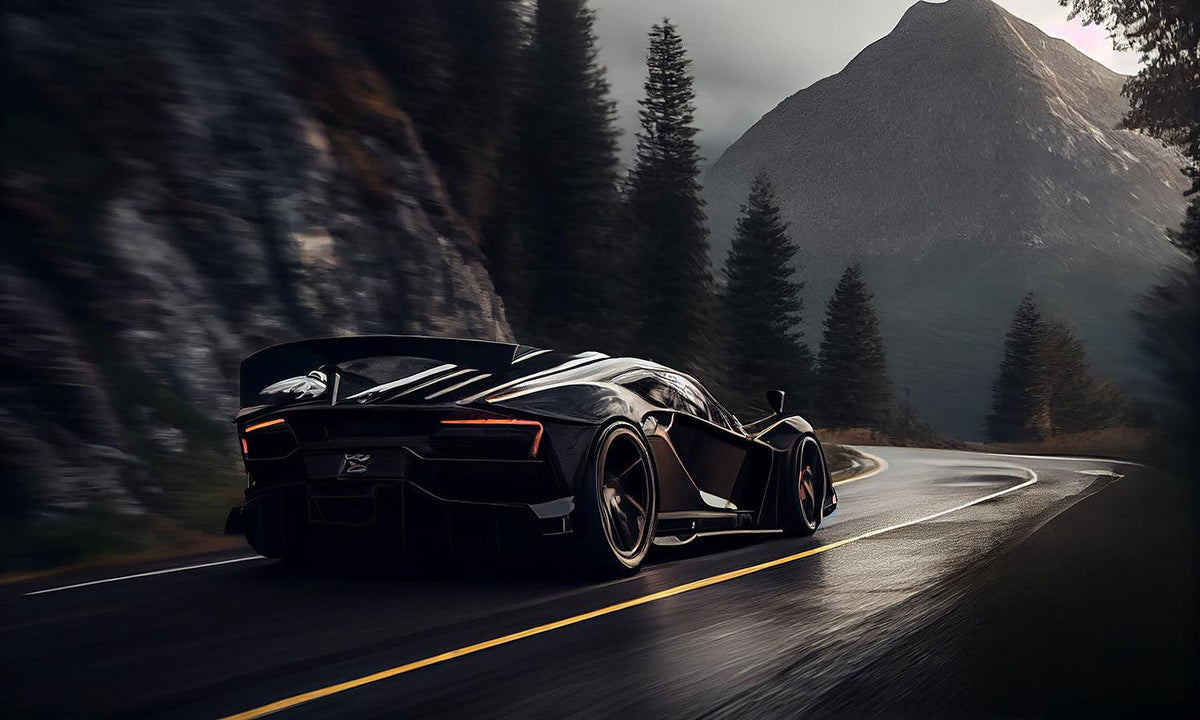
Choosing a car color can also reflect one’s identity and personal style. People may select shades that mirror their personality traits or aspirations. For example, someone who identifies as adventurous might opt for a vibrant color, such as yellow or orange. At the same time, a person with a more conservative approach might prefer classic neutral tones, such as black, white, or gray.
Cultural and Social Influences
Cultural norms and social expectations also play a pivotal role in shaping car color preferences. In some cultures, specific colors hold particular meanings or status, which can impact consumer choices. Societal trends and fashion can sway preferences, as individuals often seek to align with contemporary styles or make a statement against them.
Cultural Influences on Car Color Choices Around the World
Divergent Preferences Across Continents
Europe’s preference for sophisticated hues, such as silver and black, reflects a cultural appreciation for understated elegance and luxury. These colors are often associated with high-end brands and imply a sense of prestige and refinement.
Conversely, vibrant colors such as red and white are prevalent in Asia and are rooted in cultural symbolism. Red is often regarded as a symbol of luck and prosperity, particularly in countries such as China, whereas white is typically associated with purity.
The American Palette
In North America, car color is often influenced by climate and lifestyle. Warmer regions tend to favor lighter colors that reflect heat. Additionally, cultural narratives around individuality and status drive a preference for unique, custom colors, allowing owners to express their identity through their vehicles.
Popular Car Colors in Different Regions: A Global Perspective
North America: A Preference for Neutrals
In North America, car buyers often gravitate towards neutral colors like white, black, and gray. These shades are valued for their versatility and timeless appeal. White, in particular, is favored for its clean and modern look, often perceived as a symbol of luxury and sophistication.
Europe: A Taste for Elegance and Tradition
European car enthusiasts tend to appreciate more subdued, elegant hues, with silver and blue consistently ranking high in popularity. These colors are associated with traditional elegance and a sense of understated style. Silver, reminiscent of classic European luxury vehicles, remains a popular choice.
Asia: Vibrancy and Innovation
In Asia, there’s a noticeable preference for vibrant and innovative colors. Red and blue are particularly popular, reflecting cultural values of prosperity and dynamism. Red is considered lucky in many Asian cultures, making it a popular color among motorists.
How Car Color Impacts Resale Value and Perception on the Road
Resale Value and Market Trends
The color of your car can significantly influence its resale value. Popular colors like black, white, and silver often have higher resale values due to their widespread appeal and classic look. These colors typically align with market trends, making them a safer investment for potential buyers.
Conversely, unique hues like bright yellow or deep purple might capture less interest, potentially lowering your vehicle’s marketability. Buyers often perceive these colors as more personalized choices, which can narrow the pool of interested parties.
Perception and Safety on the Road
The color of your car also affects how others perceive you on the road. Neutral colors convey a sense of professionalism and maturity, while vibrant colors project boldness and individuality. Moreover, color influences visibility and safety; lighter tones are more noticeable during daylight, which can potentially reduce accident risks.
Final Thoughts
In your journey of understanding car color preferences, you have delved into the intricate interplay between psychology and self-expression. Whether you’re for a Buffalo car accident attorney, this exploration enriches your perspective on automotive aesthetics and deepens your appreciation for the nuanced decisions that define individuality.