Last updated on April 10th, 2025 at 06:09 pm
Have you ever experienced sudden dizziness or shakiness? Any woman observes changes in their balance as they go through menopause. These changes may be stressful or irritating. Dizziness during menopause is a typical problem that arises from changing hormone levels. This section describes why dizziness occurs, how hormone changes impact balance and coordination, and how to feel calmer.
How Hormones Control Balance?
Your body uses several processes to maintain your balance. Balance is maintained through the cooperation of the muscles, neurological system, and inner ear. Estrogen is an essential hormone in this process. Feelings of instability can come from these systems being less effective when estrogen levels fall through menopause.
The Causes of Dizziness During Menopause
Hormonal changes during menopause cause dizziness in many women. Blood flow to the brain and inner ear depends in part on estrogen. Dizziness, vertigo, and lightheadedness may result from a decline in blood circulation caused by a drop in levels. You might be unable to keep upright or feel as though the environment is spinning. These feelings may be temporary or continue over extended lengths of time.
Common Symptoms of Balance Issues
If your balance is affected by menopause, you might notice:
- Feeling dizzy when standing up too quickly.
- Unsteady walking or stumbling for no reason.
- Trouble focusing your vision after sudden movements.
- Sensations of spinning or swaying.
- Weakness in the legs that makes standing harder.
The Role of the Inner Ear
The inner ear contains tiny structures that help you sense movement and balance. Estrogen helps these structures function properly. When hormone levels drop, the signals between the inner ear and brain can become weaker, making you feel unstable. This is why some women develop vertigo or feel like they are moving when they are still.
How the Nervous System is Affected?
The nervous system also depends on hormones to send signals between the brain and the body. A decline in estrogen can slow these signals, causing delayed reflexes and coordination issues. You may feel clumsier or take longer to react when trying to catch yourself from falling.
Other factors that make balance problems worse
While hormones play a big role, other factors can make balance issues worse, including:
- Low blood sugar – Fluctuating blood sugar levels can trigger dizziness.
- Dehydration – Not drinking enough water can lower blood pressure and cause lightheadedness.
- Stress and anxiety – Menopause can cause mood swings, and stress can make dizziness worse.
- Medication side effects – Some drugs used for menopause symptoms can also affect balance.
How to Improve Balance and Reduce Dizziness?
If you struggle with dizziness or balance problems, there are steps you can take to feel more stable:
1. Stay Hydrated
Drink plenty of water throughout the day. Drink plenty of water throughout the day paired with multivitamins for ovarian support to avoid dehydration and alleviate symptoms of hormonal imbalance.
2. Eat Regularly
Skipping meals can cause blood sugar levels to drop, leading to lightheadedness. Eat balanced meals with protein, healthy fats, and complex carbs to cover any imbalance you can take quercetin supplement amazon.
3. Practice Balance Exercises
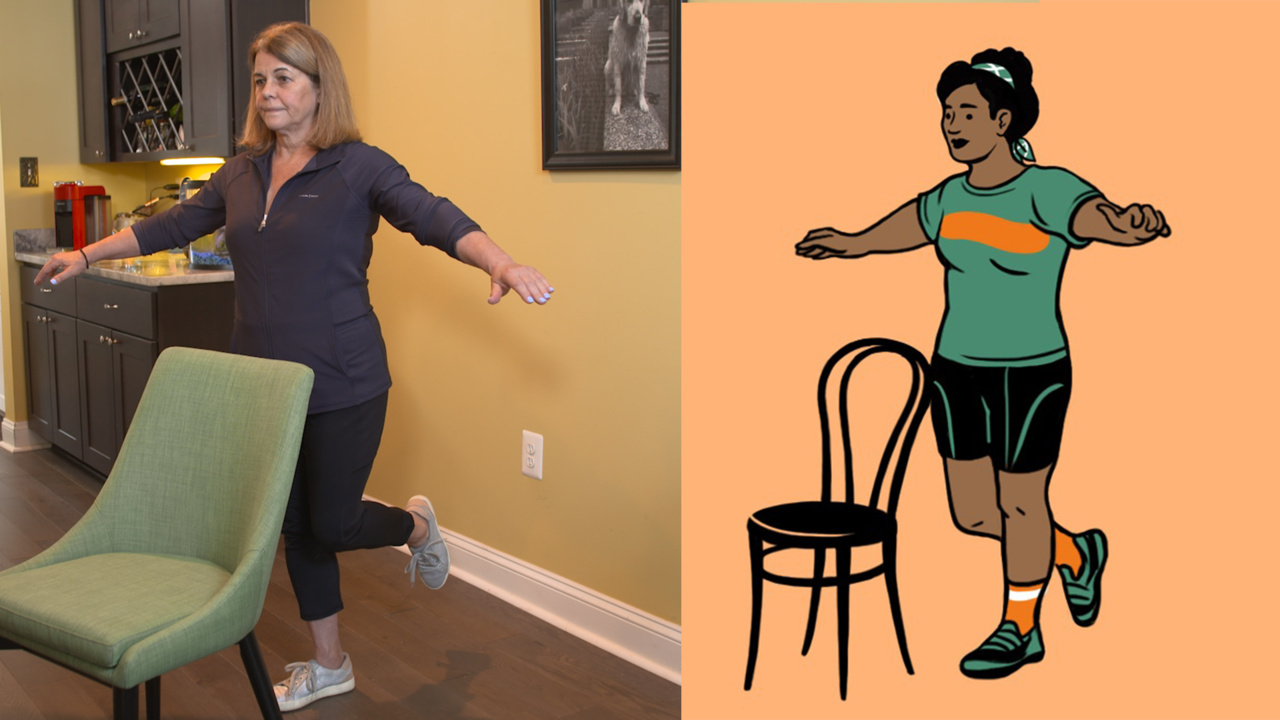
Simple exercises like standing on one foot, walking heel to toe, or yoga can help strengthen balance.
4. Check Your Posture
Slouching can affect circulation and lead to dizziness. Keep your shoulders back and stand tall to improve blood flow.
5. Manage Stress
Deep breathing, meditation, or gentle activities like walking can help reduce anxiety-related dizziness.
6. Get Enough Sleep
Poor sleep can worsen coordination issues. Try to get at least 7-8 hours of quality sleep each night.
7. Consider Hormone Therapy
For some women, hormone replacement therapy (HRT) can help balance estrogen levels and reduce symptoms. Talk to a doctor to see if this is right for you.
When to visit a Doctor?
If your dizziness is severe, lasts for long periods, or comes with other symptoms like fainting, vision problems, or headaches, see a doctor. They can check if another condition, like low blood pressure or an inner ear problem, is causing your symptoms.
Conclusion
One of the many changes that come with menopause is balance issues. Changes in hormone levels during menopause develop dizziness, which impacts the neurological system and inner ear. This can be annoying, but there are ways to deal with it. Reducing stress, eating healthily, exercising, and staying hydrated can all be beneficial. Speaking with a doctor will give you more options if your symptoms continue. You may feel more stable and have better balance every day by taking care of your body.