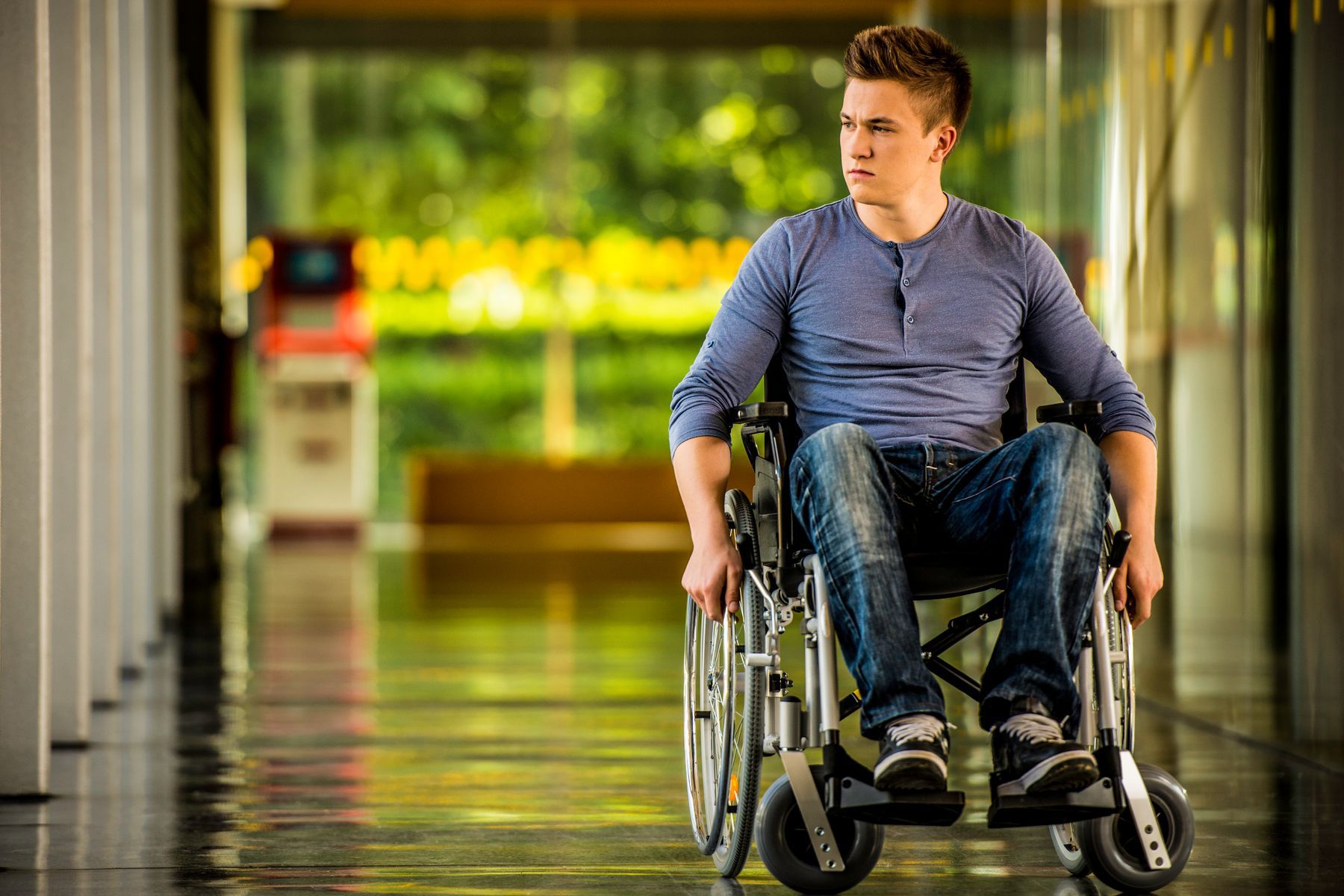
In the aftermath of a spinal cord injury, you may find yourself facing a daunting landscape filled with both challenges and opportunities for triumph. This journey requires resilience, adaptability, and a thorough understanding of the resources available to you. Whether you’re looking for a Fort Wayne spinal cord injury lawyer, this guide helps you navigate the complex path that involves physical and emotional hurdles, as well as the need for strategic planning and community support.
Understanding Spinal Cord Injury: What You Need to Know
The Anatomy of a Spinal Cord Injury
A spinal cord injury (SCI) occurs when damage affects the spinal cord’s ability to send and receive signals from the brain to the rest of the body. The consequences vary based on the location and severity of the injury, impacting motor functions and sensations. Injuries can be classified as complete or incomplete, depending on the extent of function lost below the injury site.
Causes and Impact
SCIs often result from traumatic incidents such as car accidents, falls, or sports-related injuries. The aftermath is physical and psychological, affecting mobility, independence, and emotional well-being. Immediate medical attention and rehabilitation are critical for recovery and adaptation.
Navigating Recovery
Recovery involves a multifaceted approach, including physical therapy, counseling, and adaptive technologies. Emphasizing support systems, community resources, and personalized care plans can significantly enhance the quality of life after an injury.
Overcoming Challenges: Daily Life After a Spinal Cord Injury
Adaptation and Independence
Adjusting to life after a spinal cord injury requires a profound level of adaptability, as individuals navigate new physical limitations and discover alternative ways to perform everyday tasks. The journey toward independence often involves learning to use assistive technologies, such as wheelchairs, specialized utensils, and home modifications. These tools empower people to regain autonomy and confidence.
Emotional and Psychological Resilience
Emotional resilience is crucial when facing the psychological challenges that follow an injury. Many find strength in support groups, therapy, and community resources that provide encouragement and understanding. Developing a positive mindset and focusing on achievable goals can be transformative, offering a sense of purpose and hope.
Building a Support Network
A robust support network is essential for overcoming the challenges of daily life. Family, friends, healthcare providers, and peer networks offer invaluable assistance, from emotional support to practical help with daily activities. Connecting with others who have experienced similar challenges can foster a sense of belonging and shared understanding, promoting a deeper understanding of one’s own experiences.
Essential Resources and Support for Spinal Cord Injury Survivors
Medical and Rehabilitation Services
Navigating life post-spinal cord injury requires a robust network of medical and rehabilitation services. Engaging with specialists in neurology and rehabilitation medicine is essential. These experts offer personalized treatments and therapies to support recovery and improve quality of life. Rehabilitation centers provide targeted physical and occupational therapy sessions, instrumental in helping individuals regain mobility and independence.
Community and Peer Support
Being part of a supportive community can have a profoundly positive impact on emotional well-being. Peer support groups and online forums provide a platform for connecting with others who face similar challenges. Sharing experiences fosters understanding and resilience, creating a sense of belonging. Organizations like the Christopher & Dana Reeve Foundation provide invaluable resources and support networks.
Adaptive Technologies and Equipment
Embracing adaptive technologies can transform daily living. Innovations like motorized wheelchairs, voice-activated devices, and specialized software solutions enable greater accessibility and independence. Collaborating with occupational therapists can help identify the most suitable adaptive tools to meet individual needs, thereby enhancing autonomy in everyday activities.
Navigating the Future: Innovations and Advances in Spinal Cord Injury Care
Cutting-Edge Treatments
Significant strides have been made in spinal cord injury (SCI) treatment. Stem cell therapy has emerged as a promising approach, leveraging the body’s ability to regenerate damaged tissues. Exoskeleton technology also plays a pivotal role, offering individuals with SCI enhanced mobility and independence. Continuous advancements in these fields foster hope and optimism for improved patient outcomes.
Advances in Rehabilitation Techniques
Rehabilitation has made remarkable progress in integrating virtual reality (VR) and robotic-assisted therapies. Such technologies provide immersive, interactive environments that enhance motor skills and cognitive functions. By simulating real-world scenarios, they accelerate recovery and improve quality of life. Moreover, these innovations enable the development of personalized treatment plans tailored to meet the individual needs and capabilities of each patient.
Research and Future Directions
While current developments are promising, ongoing research remains crucial. Scientists are exploring gene therapy and bioengineered spinal cord scaffolds to further enhance recovery possibilities. As these areas evolve, they hold potential for restoring lost functions and redefining the very nature of SCI care. The future is bright, with each breakthrough bringing us closer to transformative solutions.
Final Thoughts
As you journey through life after a spinal cord injury, remember that each challenge you face is an opportunity for triumph. Embrace the resources available, from medical experts to community support networks, to empower your resilience and adaptability. Whether you’re looking for a Fort Wayne spinal cord injury lawyer, actively seeking knowledge, and fostering connections can help you navigate the complexities of this new chapter with confidence and strength.