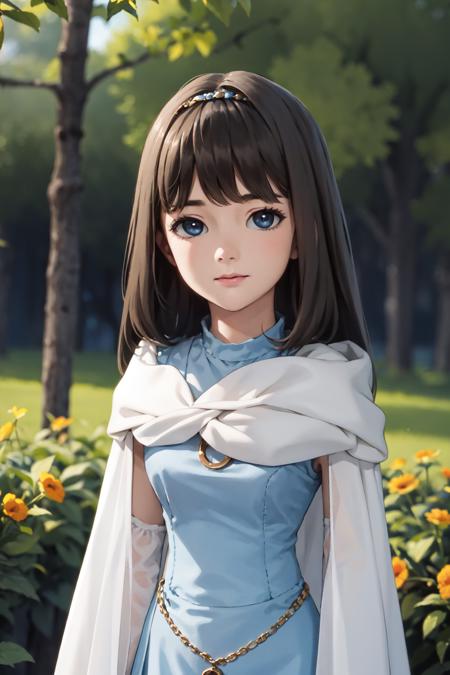
Driven by the fast developments in text-to—image artificial intelligence models, the terrain of creative expression is changing profoundly. These complex algorithms are becoming more and more available to artists, designers, marketers, and amateurs alike, so democratizing the visual production process outside of research laboratories. Translating written explanations into striking images creates before unheard-of creative and innovative opportunities. For many, the path into this fascinating world starts with platforms that provide an AIeasypic experience, therefore simplifying the complexity and enabling the power of artificial intelligence picture generation to be accessed. This paper explores the ways in which text-to– picture models are redefining creativity in several spheres.
Democratizing Visual Creation for Everybody
Historically, the development of high-quality images needed specialized knowledge, costly tools, and a large time commitment. By removing these limitations, text-to– picture artificial intelligence algorithms are enabling people with low or no artistic background to create amazing images from basic textual cues. This democratization of visual production lets teachers produce interesting learning materials, writers see scenes from their books, and businesses rapidly prototype marketing materials. Many systems’ simplicity of use, which typically promises a “AI easy Pic” workflow, reduces the entrance barrier and promotes more general involvement in the production of visual materials.
Release Imagination with Textual Prompts
Text-to-image models are fundamentally based on their capacity to transform natural words into visual forms. Through well chosen textual cues, abstract ideas, fanciful scenarios, and complex emotions can be brought to life, so opening a large playground for imagination. Without the restrictions of conventional media, artists can investigate new techniques and test unusual ideas. Based on client comments, designers can quickly iteratively work through several visual ideas. The ability of language turns into a direct channel for visual expression, thereby promoting a more flexible and easy creative process.
Quick Prototyping and Ideation
The early phases of prototyping and ideation can be time-consuming and resource-intensive in many different creative fields. Text-to-image models provide a strong tool for quickly creating visual concepts depending on linguistic descriptions. This lets filmmakers, game creators, and designers rapidly see many concepts, investigate several aesthetic paths, and more successfully convey their vision. These models’ speed and efficiency help to accelerate the creative process, therefore facilitating faster iteration and finally producing more polished and original results.
Increasing artistic limitations and styles
Text to Images AI models challenge artistic expression as much as they are copying current trends. Combining several styles and producing completely fresh aesthetics, these models can create original and surprising visual combinations. These tools are being used by artists as collaborators, providing prompts that challenge the AI outside of its training data and produce original, innovative work. From photorealistic to abstract and surreal, the almost endless spectrum of styles enriches the artistic palette and creates fresh paths for creative inquiry.
Individualizing and Adapting Visual Content
Creating graphics from text also provides hitherto unheard-of degrees of personalizing and customizing. Whether they are making personalized avatars, creative artwork for their houses, or original graphics for their social media sites, people can produce distinctive images fit for their own requirements and tastes. This degree of control over the production of visual materials enables people to communicate their own preferences and identities in ways once unthinkable. Through simple interfaces and broad prompting choices, the “AI easy pic” experience typically helps one to personalize themselves.
Finally, text-to-picture models are clearly changing the creative scene by providing before unheard-of access and visual expression possibilities. An AIeasypic experience promises to be lowering the entrance requirements and enabling people from all backgrounds to realize their creative ideas. These technologies will surely become ever more important as they develop in determining the direction of art, design, and many other creative activities.