Last updated on April 3rd, 2025 at 08:47 am
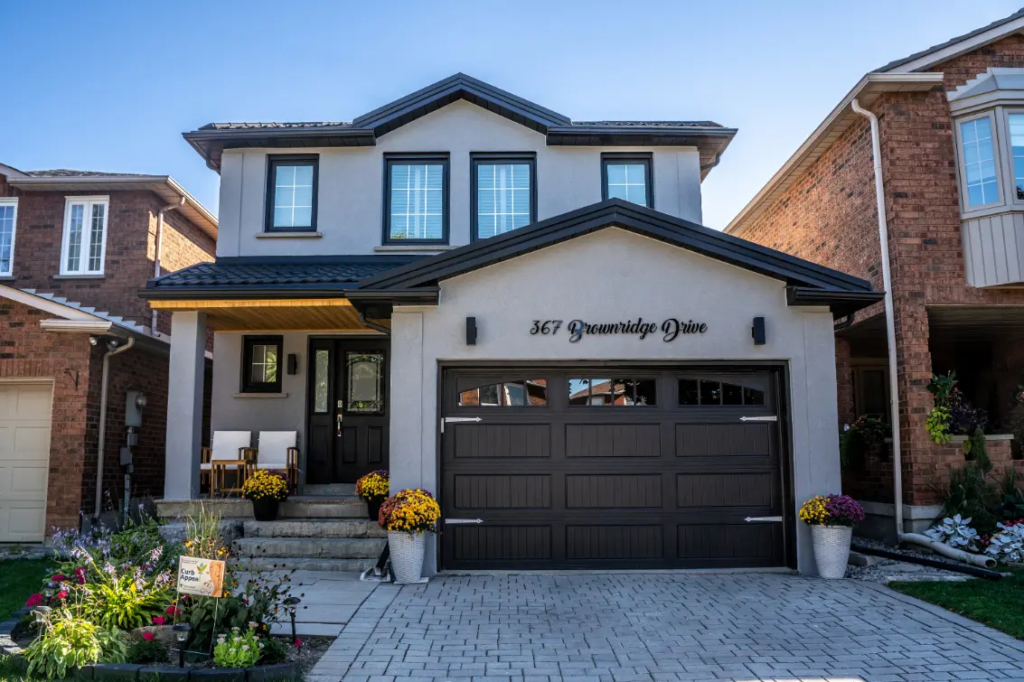
So you’re thinking about painting your home? Great idea! A new paint job can change the look of your house and drastically enhance its curb appeal and even its value. Before grabbing that brush or calling for a painter, though, you usually have one big question: How much will it really cost to transform my home?
The cost to paint a house is definitely not one-size-fits-all. It dictates a whole lot—how large your house is, what kind of paint you’re using, whether interior or exterior, and then some. So here comes the part where we break it down in simple, no-bull language so you’ll really know what to expect.
1. How big is your house?
It is common sense – the bigger your house, the more paint you’ll need, hence the longer the time it’ll take. Most painters charge by square footage. If you’re lucky and shopping for a painter for an elegant, two-story, spread-out structure, realize you’ll probably be paying more than someone who owns a single-story bungalow.
- One-story homes? Cheaper.
- Multi-story homes? More paint, more man-hours, more money.
- Lots of rooms inside? That’s more expensive, too.
Even if your home is not huge, smaller details like high ceilings or textured-finish walls can add up the price because they take more time and effort.
2. Are You Painting the Interior or Exterior?
It is normally more expensive to paint a house outside than in. Why is this? Well, outside paint must withstand sunlight, rain, wind, and general weathering. That means thicker (and pricier) paint and more prep work. And, if your house is a two-story residence, painters will have to load out ladders or scaffolding, which is labor-intensive.
Interior painting will be less money, but if you need detail work done to it—such as trim, ceiling, or texture walls—add on the funds. You’ll pay a larger bill if you’re doing in and out.
3. What kind of paint are you using?
All paints are not created equal. Some will cost little but won’t last long, while others cost a great deal but are almost indestructible.
- The regular latex paint is cheap and works for most interior surfaces.
- Oil paint works well for doors and trim, but is more costly.
- Weather-grade paint is designed to handle the weather, so usually it costs more.
- Low-VOC or green paints are better for you, but come with an additional cost.
Higher-priced paint will initially cost more but will save you money in the long run because it will last longer and need less touch-up.
4. What Shape Is Your House In?
If your walls (inside or out) are in rough shape, you’ll need to factor in prep work. And prep work means more time, more materials, and yes, more money.
- Is there old, peeling paint? It needs to be scraped off first.
- Cracks or holes in the walls? They need to be patched up.
- Is the exterior dirty? A power wash might be required before painting.
If your place is in fair shape, you’ll be pocketing the money on prep. But if your house has a few miles on it, budget a bit extra.
5. How Many Layers Will You Do?
Sometimes a single coat is not sufficient. If you are drastically changing color (from deep blue to white, for instance), you will need multiple layers to get that smooth, consistent coat.
- Dark to light? More layers.
- Painting the same shade? Fewer coats.
- With quality paint? You might just be able to manage one coat.
A quality primer will get you out of using fewer coats, but that’s an additional cost to add up.
6. Labor Costs – Who’s Doing the Work?
Labor is a large part of the cost to paint a house. If you have professional painters do it, the price will depend on their experience, where they are, and how complex the job is.
- Some artists charge by the square foot.
- Others charge by the hour.
- If scaffolding is needed, it will be more expensive.
DIY painting is economical, but requires a lot of time and effort. If you lack the skill (or endurance), hiring a professional is likely the best bet.
7. How Easy Is It to Access Your Home?
The easier your house is to get to, the cheaper it will be. But painters might charge extra if they have to squeeze through tight places, climb steep slopes, or navigate tough landscaping.
- Do you have a house on a hill? That will make things more difficult.
- A lot of shrubs and trees? They might need to be pruned.
- Multi-level house? Ladders and scaffolding add to labor costs.
8. What Time of Year Are You Painting?
Hard to believe, but the season of the year will affect your painting charges.
- Spring & Summer: Painter’s busy season, so that means higher prices.
- Fall & Winter: Slow season, so you might negotiate a discount.
If you really need to save, scheduling during the off-season will work wonders. Just be sure the climate is right—paint won’t dry properly if it’s too hot or muggy.
9. Do You Want Any Extras?
If all you’re painting are walls, your costs will be fairly straightforward. But if you want the whole shebang, be ready to pay up.
- Trim, doors, or ceilings? More labor, more cost.
- Cabinet painting? More than walls due to prep.
- Custom finishes or textures? Complicated techniques such as faux finishes are more expensive.
If you can’t afford it, just do the plain walls and save the add-ons for later.
Preview What Your House Would Be Like Before Painting!
Want to see what your house will look like before you decide on a paint color? That’s where brick&batten comes in.
We’re experts at virtual exterior design, creating photorealistic images so you can visualize different color schemes before making a decision. We’ll even recommend the perfect paints and finishes to suit your taste. No more guessing—just a sharp, stunning picture of what your home can be.
Final Thoughts
The cost to paint a house is on an enormous variety of variables—size, type of paint, labor costs, and seasonality. To budget smart, being aware of what the costs entail, avoids unexpected shocks. Paint interior, exterior, or both—the savvy choices save time, dollars, and aggro.
And if you’re in doubt about the choice of color, let brick&batten lead you to achieve the perfect look before you ever lay a single dollar out for paint. Happy painting!