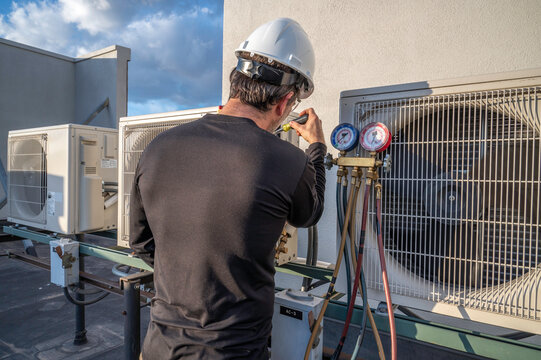
In a city like San Antonio, air conditioning isn’t just a luxury—it’s a necessity. With long, hot summers and humidity that can linger well into fall, homeowners and businesses rely heavily on their cooling systems to stay comfortable and productive. But like any hardworking appliance, an AC unit requires proper care, maintenance, and occasional repair to keep performing at its best.
Understanding how to maintain your system and knowing when to call professionals can make the difference between a quick fix and a costly breakdown during the hottest days of the year.
The Demands of the San Antonio Climate
San Antonio’s climate places significant strain on HVAC systems. Temperatures frequently climb into the high 90s during summer months, and cooling systems may run for many hours each day. This constant demand means even small issues can quickly grow into major problems.
Some of the most common air conditioning challenges homeowners in warm climates face include:
- Overworked compressors due to extended usage
- Clogged air filters from dust and pollen
- Refrigerant leaks caused by wear and tear
- Frozen evaporator coils due to restricted airflow
- Thermostat malfunctions that affect efficiency
When these problems aren’t addressed quickly, they can reduce system efficiency and dramatically increase energy bills.
Signs Your AC System May Need Attention
Many people assume that air conditioning systems fail without warning, but in reality, most units show clear signs before a breakdown occurs. Recognizing these early symptoms allows homeowners to address issues before they escalate.
Here are several warning signs to watch for:
- Warm air coming from vents even when the thermostat is set to cool
- Unusual noises such as grinding, buzzing, or rattling
- Weak airflow throughout the home
- Frequent cycling, where the system turns on and off repeatedly
- Unexpected spikes in energy bills
These symptoms often indicate problems with components like compressors, fans, or refrigerant levels. Ignoring them can shorten the lifespan of the entire system.
The Importance of Preventative Maintenance
Routine maintenance is one of the most effective ways to extend the life of an air conditioning unit. Much like a car requires regular oil changes, HVAC systems benefit greatly from scheduled inspections and tune-ups.
Preventative maintenance typically includes:
- Cleaning condenser and evaporator coils
- Checking refrigerant levels
- Inspecting electrical connections
- Replacing or cleaning air filters
- Testing thermostat performance
These small steps can improve efficiency, reduce the likelihood of sudden failures, and help homeowners avoid expensive emergency repairs.
Benefits of Regular AC Maintenance
Investing in routine service offers several long-term advantages:
- Improved energy efficiency – A well-maintained system uses less electricity.
- Longer equipment lifespan – Preventative care reduces wear on key components.
- Better indoor air quality – Clean filters and coils reduce dust and allergens.
- Lower repair costs over time – Small issues are resolved before becoming major problems.
For homeowners in hot regions, regular servicing can significantly improve comfort and reliability during peak summer months.
When Professional Repairs Become Necessary
Even with proper maintenance, air conditioners will eventually require repairs. Mechanical parts wear out, refrigerant systems can develop leaks, and electrical components may fail over time.
Professional HVAC technicians have the training and diagnostic tools necessary to identify the root cause of these problems quickly. Attempting DIY repairs without proper knowledge can sometimes make the issue worse or lead to additional damage.
For homeowners experiencing persistent cooling problems, seeking help from specialists who providetrusted AC repair in San Antonio can ensure the system is evaluated thoroughly and repaired correctly.
Professional technicians typically follow a structured approach when diagnosing AC problems:
- System inspection to identify visible damage or wear
- Performance testing to evaluate airflow and cooling output
- Electrical diagnostics to ensure components operate safely
- Refrigerant checks to confirm proper pressure and levels
This process helps determine whether a simple repair will restore performance or if a larger component replacement may be needed.
Energy Efficiency and Modern Cooling Solutions
Today’s HVAC technology has evolved significantly, offering homeowners more efficient and environmentally friendly cooling options. If an older system frequently requires repairs, upgrading to a modern high-efficiency unit may be worth considering.
Newer systems often include features such as:
- Variable-speed compressors that adjust cooling output automatically
- Smart thermostats that optimize temperature settings throughout the day
- Improved insulation and airflow design for better performance
- Energy-efficient ratings that reduce electricity consumption
While the upfront cost of a replacement system can be higher, many homeowners find the long-term savings on energy bills and repairs make the investment worthwhile.
Tips for Keeping Your AC Running Smoothly
In addition to professional servicing, homeowners can take several simple steps to keep their cooling systems operating efficiently.
Here are a few practical tips:
- Replace air filters every 1–3 months during heavy use seasons
- Keep outdoor condenser units clear of debris and vegetation
- Seal windows and doors to prevent cool air from escaping
- Use ceiling fans to improve air circulation
- Schedule annual HVAC inspections before peak summer heat
These habits not only help maintain comfort but also reduce unnecessary strain on the system.
Final Thoughts
Air conditioning plays a crucial role in maintaining comfort and livability in warm climates like San Antonio. With temperatures often reaching extreme levels, having a reliable cooling system is essential for both homeowners and businesses.
Understanding the warning signs of system issues, investing in preventative maintenance, and working with experienced professionals when repairs are needed can significantly extend the life of an AC unit. By taking a proactive approach to HVAC care, residents can stay comfortable even during the hottest months of the year while keeping energy costs under control.