Last updated on October 26th, 2025 at 08:10 am
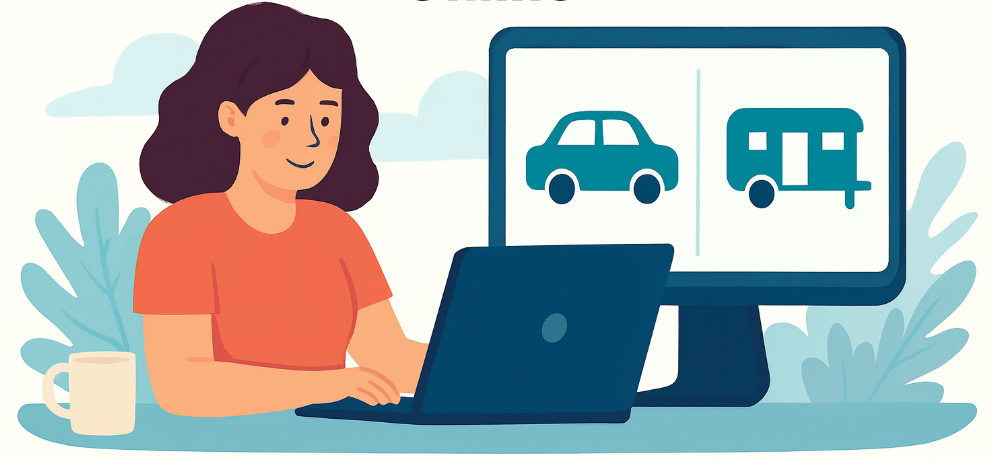
As inflation continues to pinch household budgets, more Americans are looking for ways to save on essential expenses — and insurance is at the top of that list. Whether it’s a driver trying to avoid a hefty down payment or a homeowner looking to protect a mobile home without breaking the bank, the search for affordable coverage has taken a digital turn.
Over the past year, online comparison tools have exploded in popularity. Instead of calling multiple agents or visiting local offices, people are now browsing insurance options the same way they shop for flights or hotel deals. It’s part of a larger trend toward transparency — and one that’s reshaping how consumers think about insurance in 2025.
The Rise of “No Deposit” Car Insurance Searches
One of the most searched phrases this year has been “very cheap car insurance with no deposit.” It’s a term that resonates with younger drivers, gig workers, and anyone struggling with high upfront costs. Traditionally, most insurers required a significant down payment — often 15% to 20% of the annual premium — before activating a policy. But today, some companies and comparison sites are offering flexible payment options that let drivers start coverage with little or no money down.
This shift isn’t just about affordability; it’s about accessibility. More people can get insured faster, which helps keep them on the road legally and safely. For those exploring these options, platforms like no deposit car insurance have become useful resources to compare multiple offers side by side, helping drivers understand what’s real and what’s too good to be true.
However, experts warn that not all “no deposit” deals are equal. In many cases, drivers still end up paying the same total premium — it’s just spread out differently. The key is reading the fine print: check whether your payments are simply deferred or if additional fees apply for month-to-month plans.
Mobile Homeowners Are Joining the Comparison Movement
It’s not just drivers turning to online comparison tools. Mobile homeowners are also navigating a complex insurance landscape, with rising costs due to storms, inflation, and property value changes.
For decades, mobile home insurance was a niche product, often handled by small regional agents. But as extreme weather events increase and more Americans choose affordable modular housing, the demand for better and more transparent coverage has skyrocketed.
Many homeowners now use independent comparison platforms such as mobile home insurance comparison tools to review policy options. These sites don’t sell insurance directly — they collect and organize offers from multiple companies, helping users see the range of premiums and coverage types available in their area.
The biggest advantage? Speed and clarity. A homeowner in Florida, for example, can instantly compare coverage options for hurricane damage or liability protection without having to make a dozen phone calls.
Why Consumers Are Taking Control
Both of these trends — no-deposit car insurance and mobile home insurance comparisons — point to one larger cultural shift: consumers are tired of being in the dark.
For years, insurance shopping was an opaque process. People often accepted the first quote they received, unsure if better deals existed elsewhere. Now, the digital marketplace has flipped that equation. Consumers can compare, question, and customize policies that fit their lives and their wallets.
Online comparison sites have made insurance feel less intimidating. They break down technical jargon, show real numbers, and give users the confidence to make informed decisions. In short, they put the power back in the hands of the customer — where it arguably belongs.
The New Normal: Smart Shopping Across Every Policy
What’s happening in the auto and mobile home sectors is part of a broader movement in the insurance world. Health, renters, and even pet insurance companies are seeing the same demand for flexibility and transparency.
People no longer want one-size-fits-all coverage. They want to pick and choose — just like they do with streaming services or cell phone plans. That’s why “comparison-first” has become the new standard.
In fact, according to recent consumer data, over 60% of Americans now say they’d rather compare insurance options online than speak to an agent first. The convenience of browsing from home, plus the ability to instantly see price differences, has made this approach the go-to method for savvy shoppers.
Looking Ahead
As technology continues to evolve, expect even more personalization in how insurance is offered and compared. AI-based quote systems, smart policy adjustments, and dynamic pricing models are already making their way into the mainstream.
But for now, the simplest advice still holds true: do your homework. Take the time to explore comparison resources before committing to any policy — whether it’s for your car, your home, or anything in between.
Because from the road to the roof, one thing is clear: the way Americans shop for insurance has changed for good.